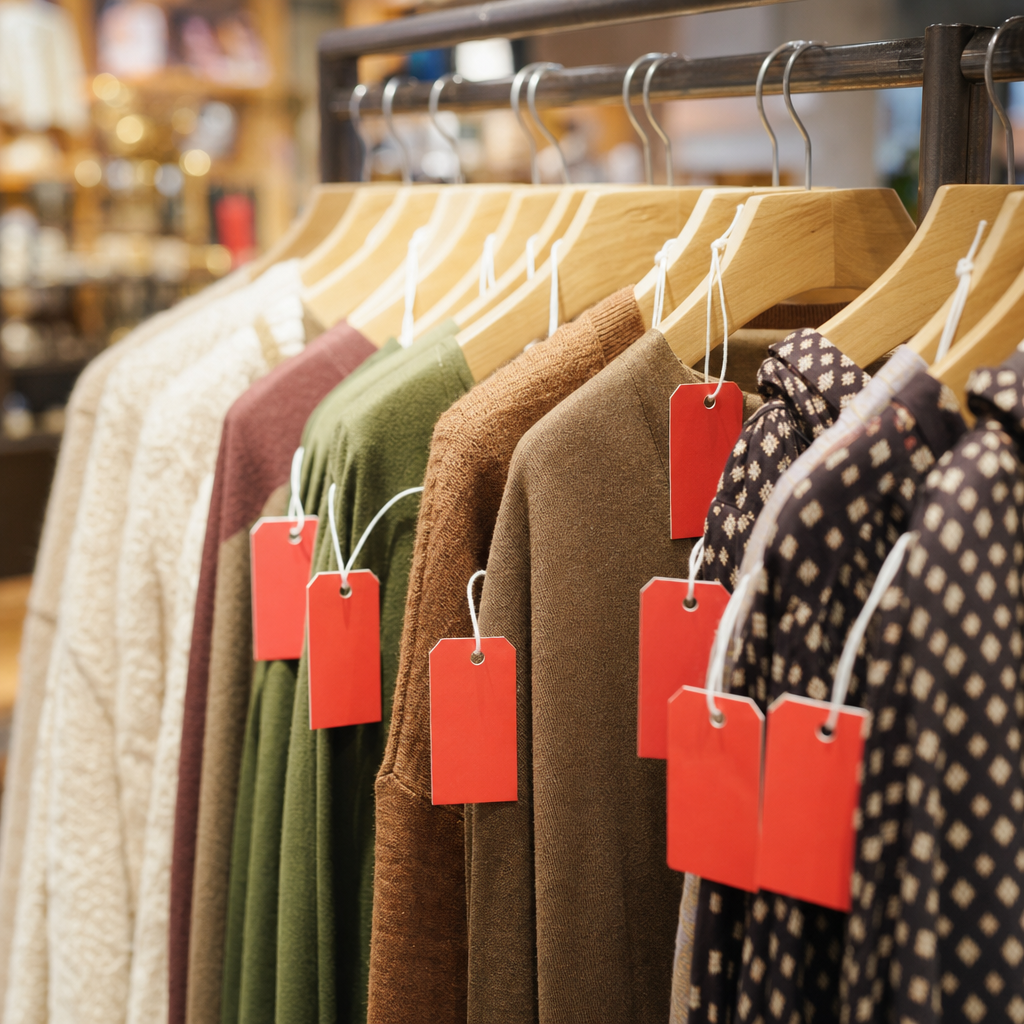
Understanding the Retail Clearance Lifecycle
Stores cycle merchandise through a predictable markdown schedule, from slight initial discounts to final clearance prices, as they make room for new seasonal arrivals.
Winter coats start getting marked down in January, summer apparel by late July. The initial cut is often around thirty percent, but the real bargains show up at seventy to ninety percent off — though waiting too long risks losing the item entirely.
Timing Your Shopping Trips for Maximum Savings
Many chains follow a weekly markdown schedule, often updating prices on Mondays or Tuesdays — visiting early that morning gets first pick before the weekend rush. Shopping right after major holidays is also a great time for discounted seasonal goods.
Month-end and quarter-end cycles matter too: store managers are judged on inventory turnover, so unadvertised manager specials often appear near reporting deadlines.
Navigating Store Layouts and Decoding Price Tags
Clearance sections are usually placed in the least conspicuous areas — back corners, basements, poorly lit aisles — intentionally, to drive traffic past full-priced merchandise first.
Price tags often carry hidden codes: endings in nine or seven can signal a temporary sale, while zero or five often mean final clearance pricing. Learning a store’s specific conventions pays off over time.
Evaluating Quality Versus True Value
A steep discount can cloud judgment — inspect items for missing buttons, loose threads, or stains, since expensive repairs can erase the savings entirely.
Buying the wrong size or color just because it’s cheap is a common trap. A useful rule: ask whether you’d buy the item at full price before committing.
Combining Clearance Strategies With Digital Tools
Store apps let you scan a barcode to check if online prices are lower or if another location has stock, and many retailers run web-exclusive clearance sections that never hit physical shelves.
Browser extensions and price-tracking sites help confirm a markdown is real and not an inflated “original” price — stacking with manufacturer coupons and cash-back apps compounds the savings further.
Common Questions About Clearance Shopping
What is the difference between a clearance sale and a regular sale?
A regular sale temporarily lowers prices to boost short-term volume. A clearance sale permanently marks down items the store wants to remove entirely from inventory.
Can clearance items be returned or exchanged?
Policies vary — standard sale items usually follow normal return rules, but final clearance items are typically non-returnable, so check the store policy first.
When is the absolute best time of year to find clearance deals?
Typically right after major holidays — January for winter goods, July for summer apparel, and November through December for outdoor and gardening supplies.
Article Was Generated By AI.